What Kindergarten Teachers Wish Parents Knew
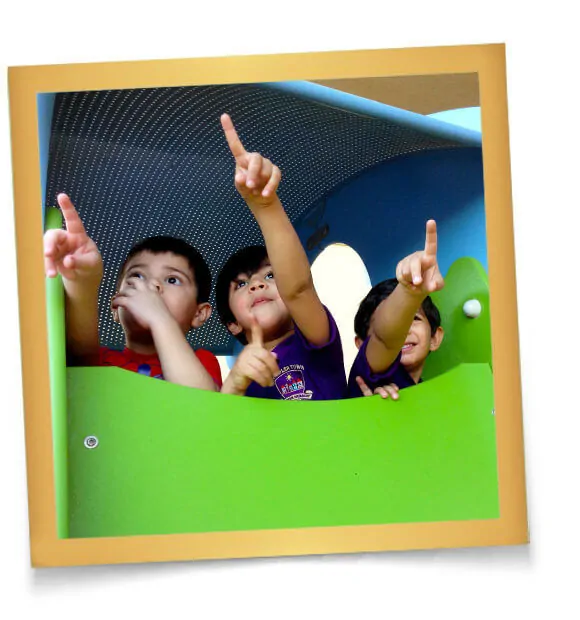
What really goes on in a kindergarten classroom once parents leave? There is plenty happening beyond letters, numbers, songs, and story time. Teachers watch children grow through friendships, play, classroom routines, little challenges, and everyday conversations. Their observations can offer parents a fresh perspective on what children need at this important stage.
Here are some insights kindergarten teachers would love parents to know when looking at the best kindergarten in Dubai.
Routines help children settle
Teachers value predictable routines because young children respond well to familiar patterns. Regular sleep, morning preparation, and timely arrivals help children begin class calmly. Parents support this process by giving children simple responsibilities, such as packing their school bag or putting on their shoes. These small tasks build independence and give children confidence as they handle everyday classroom activities.
Social skills matter every day
Kindergarten involves plenty of social learning. Children share materials, wait for turns, listen to classmates, solve small disagreements, and express feelings. Teachers guide these moments with patience while children gradually learn suitable responses. Parents support progress by practising polite communication at home. Simple conversations about sharing, kindness, personal space, and taking turns give children useful social tools for classroom life.
Mistakes support learning
Teachers expect children to make mistakes during early learning. A wrong answer, unfinished drawing, or forgotten instruction gives educators useful information about a child’s progress. Parents support learning when they praise effort and encourage another attempt instead of focusing only on correct results. This attitude helps children approach classroom tasks with curiosity and greater confidence.
Communication helps teachers understand children
Parents know their children in ways teachers cannot see inside school. Sharing useful information about interests, routines, fears, or recent changes helps educators respond appropriately. Teachers also appreciate questions about classroom progress. Friendly communication builds trust and gives both sides a clearer picture of the child’s development. Short, respectful conversations can solve small concerns before they grow.
Independence grows through practice
Teachers encourage children to handle simple tasks themselves. Opening lunch containers, organizing supplies, using the restroom, putting belongings away, and asking for help all support classroom independence. Parents can practise these skills at home without taking over. Children gain confidence when adults give them enough time to try, make mistakes, and solve age appropriate problems independently.